Strengthening Internationalisation in African VET Schools
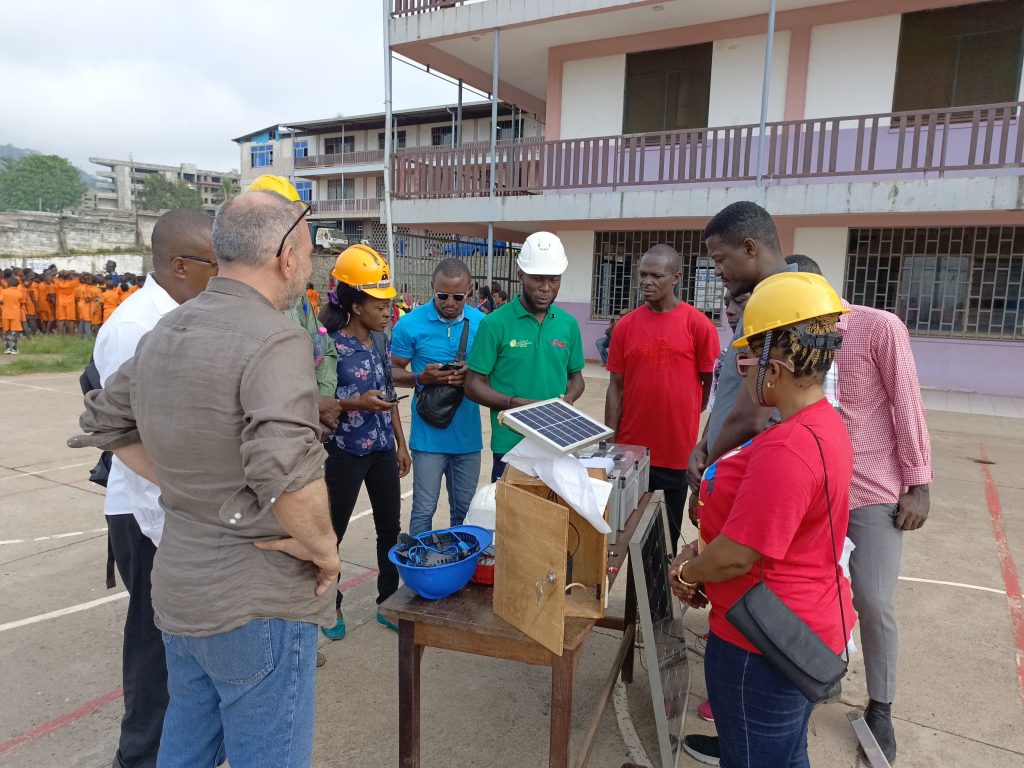
As part of the VET-POWER project’s Work Package 4, Mundus has led a comprehensive diagnostic process to assess internationalisation needs in vocational education centres in Benin, Burkina Faso, and Cameroon. Over the past months, a series of group and individual interviews were conducted with school directors, teachers, and students. These efforts culminated in the Gap Analysis on Internationalisation (Milestone 4.1), which consolidates the findings and sets the stage for the next phase of strategic development.
From Fieldwork to Findings: What the Gap Analysis Revealed
The interviews and surveys provided rich insights into the current state of internationalisation across the participating African VET centres. The conclusions are clear and consistent across countries and stakeholder groups:
- School directors expressed a strong need for strategic training in partnership development, project writing (especially Erasmus+), and access to international funding. They also highlighted the importance of governance, intercultural communication, and digital tools for cooperation.
- Teachers showed high interest in improving their skills in international project management, innovative pedagogies, and language proficiency. They also emphasized the need for better equipment and opportunities to collaborate with international peers.
- Students demonstrated strong motivation to engage in international projects but face barriers such as limited knowledge of cooperation mechanisms, financial constraints, and language challenges. Their aspirations include gaining practical skills, accessing global networks, and improving their professional prospects.
These findings confirm that internationalisation is widely perceived as a key driver of transformation, employability, and institutional growth. However, structural and operational barriers must be addressed to unlock its full potential.
Next Steps: From European Expertise to African Impact
Building on the Gap Analysis, the next phase of WP4 will focus on identifying and transferring best practices from European partners within the VET-POWER consortium—namely Mundus, SEPR, and SCF. This collection of successful strategies and tools will be carefully reviewed to determine which can be adapted and implemented in the African partner institutions. To reinforce this process, a job shadowing experience will take place in March 2026 at Mundus headquarters in Zaragoza. Representatives from the African schools will observe how internationalisation is managed in practice, gaining firsthand exposure to workflows, tools, and strategic planning. Following this, pilot mobilities will be launched for both teachers and students to visit European partner schools. These exchanges will serve as a testing ground for the proposed models and provide valuable feedback for refinement. Finally, the WP4 team will produce a set of policy recommendations aimed at decision-makers in the field of vocational education. These recommendations will advocate for the integration of internationalisation as a strategic priority, highlighting its role in improving educational quality, fostering innovation, and enhancing youth employability. Mundus remains committed to guiding this process with a focus on sustainability, inclusion, and impact. The journey from diagnosis to implementation is well underway—and the next steps promise to bring lasting change to vocational education across borders.